This website uses cookies in order to enhance the overall user experience.
What is application-based studio space?
Eat Work Art has always been guided by the belief that space is not neutral. The environments we work within shape how we think, how we collaborate and how our ideas develop over time.
Founded in 2009, Eat Work Art was among the first to introduce application-led studios for creatives, long before the language of 'community' became commonplace in the workspace sector. From the beginning, the focus was not on filling buildings, but on understanding who they were for and what might happen when similarly aspirational creatives were brought together under one roof.
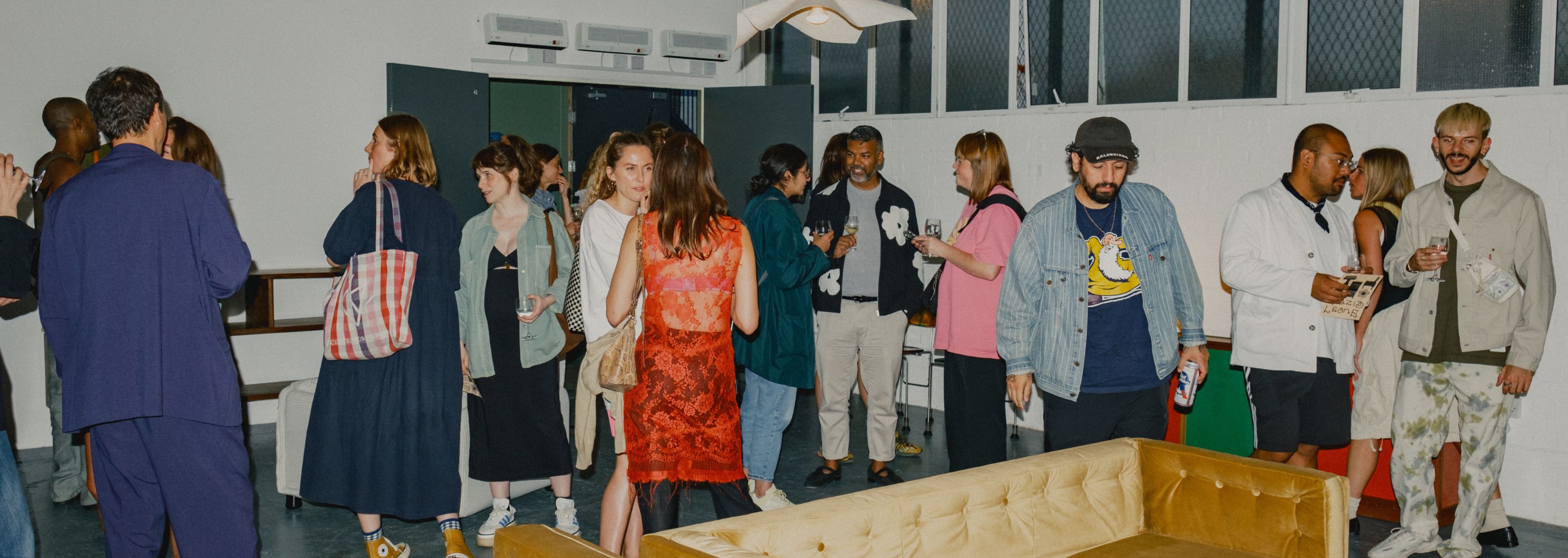
As a former office block reimagined as a creative hub, our first site, Netil House, quickly became home to a broad mix of designers, musicians, and cultural practitioners, working alongside the independent cafés, club venues, wellness studios and retailers that we curated in the space. What emerged was not simply a place to work, but a shared ecosystem, shaped as much by the people within it as by the architecture itself.
That approach continues across our sites today, from long-established London locations to our more recent spaces in Plymouth. While each building has its own character, they are united by a common ethos that creative work benefits from proximity, collaboration and a sense of belonging.
How the application process works
Studios at Eat Work Art are offered by application, but the process is intentionally light-touch. We are not (always) interested in lengthy proposals or rigid business plans, particularly in a creative landscape where practices are constantly evolving.
Instead, we invite applicants to share examples of their work (a portfolio, a brand, a project) followed by a conversation with our Curation Team. These conversations are as much about listening as assessing. They allow us to understand how you work and what kind of environment best supports your output.
We do not curate by scale. Our communities are made up of a wide range of practices, from solo practitioners to small and growing teams, from early-stage creatives to established industry voices. What matters is not where you sit on that spectrum, but whether there is a genuine appetite to be part of a shared creative environment.
What curation means to us
Curation at Eat Work Art is less about selection and more about composition.
Because we manage our own buildings and remain independent, we are able to take a long-term view of how communities develop. Each resident contributes to the wider atmosphere of a space, and our role is to ensure a balance that feels purposeful, generous and alive.
Our curatorial lens is guided by four principles.
- Creativity sits at the core. We look for practices that are thoughtful, rigorous and engaged with their discipline, whether quietly experimental or outwardly ambitious.
- Potential matters just as much as output. By supporting residents at different stages of their journey, we allow communities to grow organically, creating spaces that feel dynamic rather than fixed.
- Collaboration emerges naturally when the conditions are right. We value openness—to conversation, to exchange, to working alongside others—recognising that some of the most meaningful connections happen informally, over time.
- Diversity is fundamental. A mix of perspectives, disciplines and lived experiences strengthens our communities, ensuring our spaces remain relevant, responsive and culturally engaged.
More than just a studio
An Eat Work Art building is designed to support the rhythms of creative life, not just the hours spent at a desk. Alongside studios, you’ll find a carefully considered mix of hospitality, retail and wellness, selected to complement how our residents work and live.
This integrated approach is what differentiates our spaces from more conventional workspaces. Our residents are not tenants passing through, but active participants in a shared environment, one that evolves through use and time.
Applying for a studio at Eat Work Art is an expression of interest in that way of working. A belief that where you work matters, and that creative practice is enriched by the people and places around it.
