This website uses cookies in order to enhance the overall user experience.
Protecting your wellbeing as a business owner, with psychotherapist Sarah Hutton
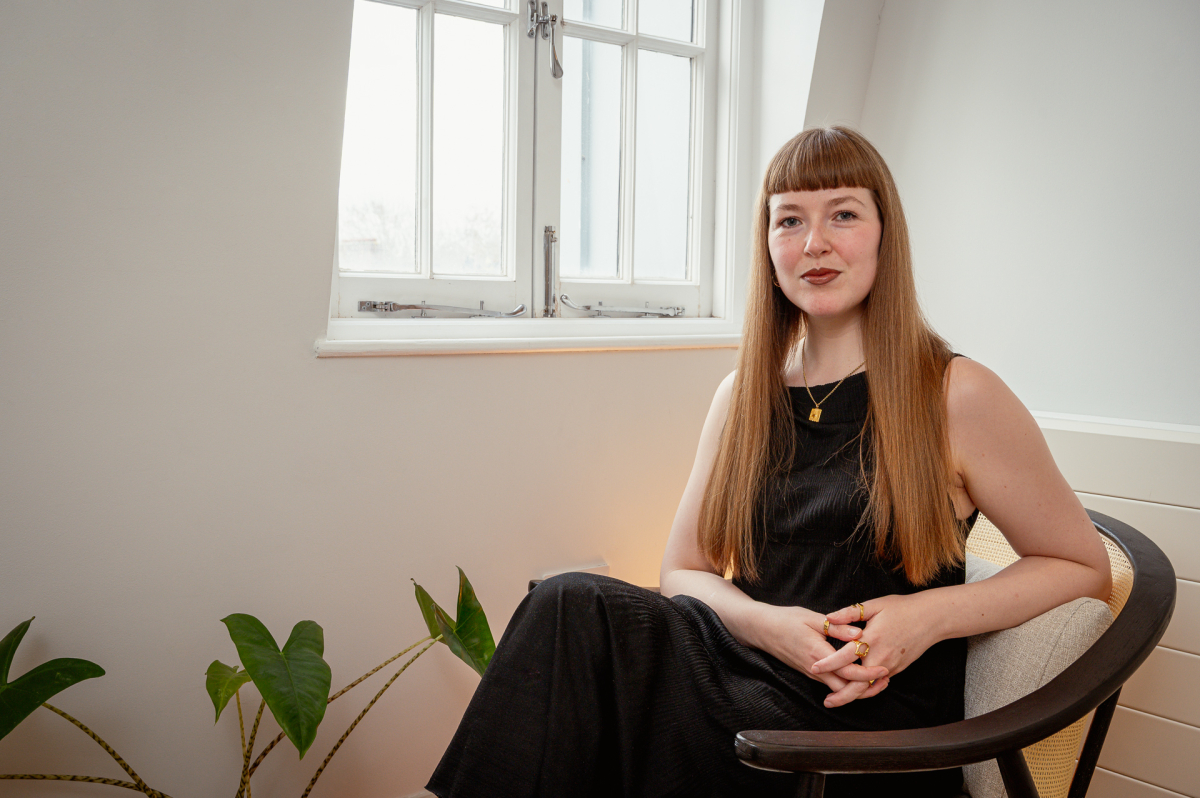
We spoke with one of Cornerstone Studios' wellness residents, art psychotherapist Sarah Hutton, about exactly how creatives, particularly freelancers and business owners, can keep themselves motivated and well at the beginning of this year.
With our pace resetting, many creatives begin the year with renewed focus, albeit tempered by quiet pressure. At this juncture, questions often surface about output, about work habits and their sustainability. How do we work without burning out? How can we be seeking new inspiration, creating and delivering new projects, without becoming depleted? How do we stay connected to a practice while carrying the less visible weight that creative work so often entails?
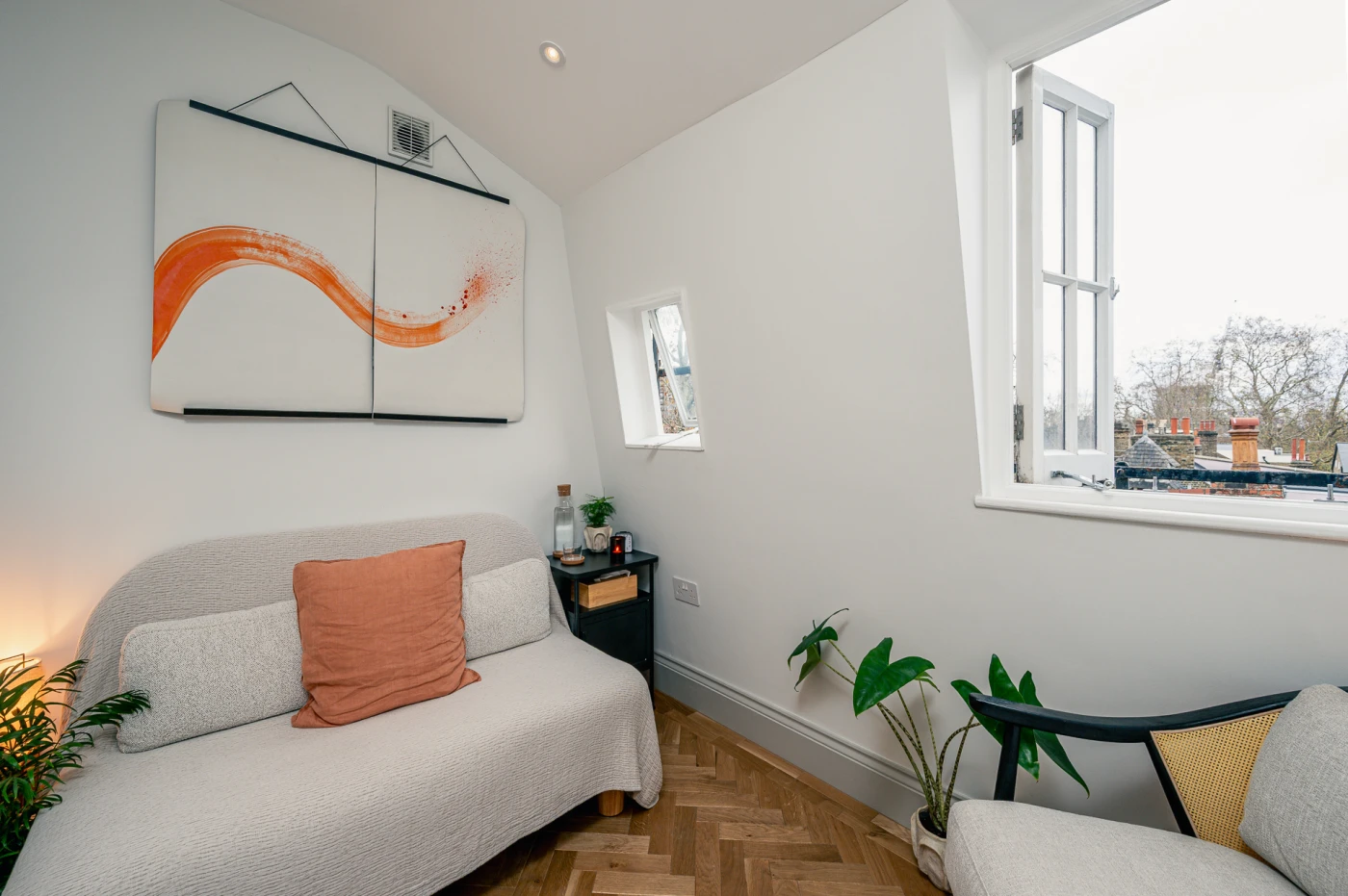
For Sarah Hutton, this tension between inner life and outer practice sits at the heart of her work. Based at Cornerstone Studios, she works privately with adults and young people as a psychotherapist, combining talking therapy with the option of non-verbal expression through art. Inherently client-led, her approach is relational and grounded in the belief that meaningful change rarely comes from surface-level fixes. We sat down to speak with her about how creatives can make the most of new year momentum.
Talk to us a little about your practice. What were your motivations to get into the sector?
I’m experienced in working with clients with a range of needs, including those navigating anxiety, depression, self-esteem issues, relationship difficulties, neurodiversity, PTSD and more. I hold a safe, empathetic space where we get to the root of challenges you are facing and difficult feelings can be accepted. Psychotherapy provides the opportunity to not only express yourself and be heard, but to reflect and transform. It can help process trauma, mental health difficulties or life challenges; access and navigate your unconscious attachments, behaviours and motivations; and shed light on patterns which may no longer serve you, empowering positive change.
I'm continually fascinated by the relationship we have with ourselves and others, which is at the core of our every day. I’m forever in awe of the formation and development of our mind-body-soul, and the somatic power of expression in the presence of a trusted and empathetic other, to heal and birth awareness and the growth of new blueprints. In a society where instant ‘fixes’ and surface level interactions have become somewhat the norm, psychotherapy invites us to slow down, and is a safe space to process life’s pain points, challenge our defences and (re)develop the courage to be vulnerable, trust, more deeply connect and have our full Self empathetically seen. I’m deeply passionate about my work as I’m blessed to witness the genuinely transformative power of good therapy, in the client’s relationship with themselves and others. It sounds cheesy but it’s no exaggeration to say, if everyone had good therapy, the world would be a profoundly different place… as “we often act out what we cannot cry out” and “we cannot heal what we do not know”.
Being a psychotherapist who works in close proximity to creatives, what are some of the common wellbeing challenges you see among people working in these fields? Are there patterns that are unique to creative work compared with more traditional desk jobs?
Compared to the traditional 'secure' 9 to 5 desk jobs, those working in the creative field may be multi-hyphenated and balancing a host of roles simultaneously, especially in the early phases of their business. On the surface you see an animator or photographer, but they are also likely to be their own social media, business and marketing manager, admin support, product sourcer, location scout, investor, fundraiser… the list can go on. Common wellbeing challenges often include stress and overwhelm in navigating these different aspects of business, financial pressures and related anxieties, particularly where clients or bookings fluctuate. Additionally, people may suffer from a sense of isolation and loneliness if they work alone.
As we find ourselves firmly in a new year, many people talk about new beginnings and reinvention. From your perspective, what are meaningful ways creatives can approach mental wellbeing that go beyond typical resolutions?
To give any meaningful change the best chance of lasting, I'd recommend small steps — shifts in just a couple of areas - then focus on consistency and practice. For example, to easily integrate more movement and decompression into your pre/post-work time, take the bus from a stop further away, or get off a couple of stops early. Or if you're noticing feelings of loneliness or isolation, take ten to 30 minutes to chat to a colleague in your building and maybe grab a coffee together. Alternatively, attend a local event or join a group that aligns with your interests and brings you joy.
These three examples are a great way to combat some of our most prominent challenges today — spending too much time in our heads (rather than in body via movement and play) and alone (yet with the illusion of connection via social media etc). Also, give yourself permission to make mistakes, feel your feelings, and talk kindly to yourself: imagining talking to your inner child Self can cultivate more Self compassion and reduce that often harsh inner critic (which is usually someone else's voice you’ve internalised). Ask yourself: what kind and supportive things would I say to the 8 year old me if they were upset, trying something new or made a mistake?… Answer in your head, aloud or write it down.
For someone juggling deadlines, creative pressure, client expectations, and the ups-and-downs that come with being a freelancer, what are a few simple but impactful practices or mindsets you’d suggest they think about or prioritise in 2026?
Learn that it's okay to ask for help, and discern who you can go to and for what. We are interconnected human beings and not supposed to do life alone, contrary to what our hyper-individualistic society conditions us to believe. Want to bounce some new ideas around but don't have a team? Call that friend who is full of ideas and happy to support you in that area. Unsure how to handle a tricky client? Speak to someone who does it regularly and can give you wise advice. Noticing your clients are expecting more than the service you offer? Clearly define and firmly, yet kindly, set your boundaries and practice upholding them. Find doing your taxes or admin boring or tricky, and need a stimulating or supportive environment around others? Head to your favourite coffee shop, or 'body double' which means to work alongside a friend and hold each other accountable in your tasks for that set time.
Also, be honest with yourself about what’s consuming your time and attention unnecessarily, and might be impacting your energy and compounding any anxieties (do an ‘attention stock check’)… if it’s social media (feeding into distraction, fears and comparison), perhaps take the plunge and delete your app(s). Attention is our greatest commodity, do you need to reclaim yours?
Why were you interested in being in the Cornerstone community?
The space and people felt aligned - a peaceful, welcoming and beautiful place filled with a diverse range of warm, professional and inspiring creatives and events: somewhere my practice can sit comfortably now but also has room to grow.
